
Hair Loss in Women: Common Misconceptions and Treatment Options
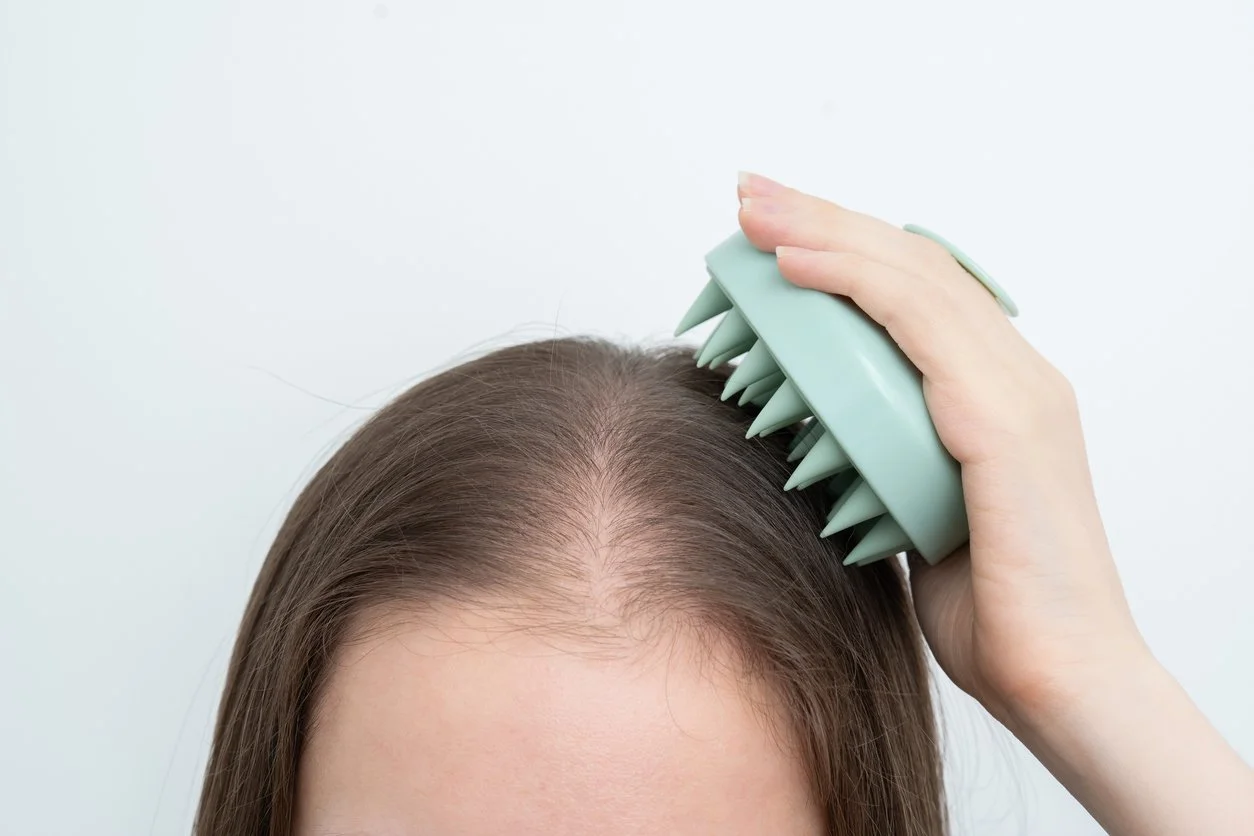
Many women experience hair loss at some point in their life, but there is often confusion about what it means. Losing some hair daily is normal (generally up to 100 hairs or so), but noticeable thinning can be upsetting and raise questions. The good news is that there are often clear causes and effective treatments.
Understanding what may be behind your hair loss is the first step toward restoring both hair health and confidence.
Common Causes of Hair Loss in Women
Women can experience hair loss for many reasons. Some of the most common include:
Hormonal changes
Changes in hormones during pregnancy, menopause, or from thyroid problems can affect the normal hair growth cycle.
Genetics (Female Pattern Hair Loss)
This is a very common cause of hair thinning in women in particular areas of the scalp. It usually shows up over time as gradual thinning on the top of the head or a wider part.
Stress or Illness
Physical stress on the body, such as from illness, surgery, high fever, or emotional stress, can cause a condition called telogen effluvium. In this condition, more hairs than usual enter the shedding phase, which in the absence of other factors contributing to hair loss, will correct itself on its own.
Nutritional deficiencies
Simply put, the hair needs nutrients to grow. If you do not get enough iron, protein, vitamin D, and other nutrients, you may notice more hair shedding and less volume.
A Common and Growing Question: Do GLP-1 Medications Cause Hair Loss?
Medications such as GLP-1 receptor agonists, often prescribed for weight loss and diabetes, have recently been discussed in relation to hair loss. However, these medicines are not usually the direct cause.
More often, hair shedding is linked to rapid weight loss and nutrient deficiency, specifically a lowered protein intake. If someone reduces calories too much or doesn't consume enough protein, the body prioritizes essential functions over hair growth. Consequently, hair follicles enter a resting phase, leading to more hair loss a few months later.
Protein intake is especially important because hair is mostly made up of keratin. The natural hair structure composed of keratin will break down over time in response to sun exposure and excessive heat and styling.
If you are taking GLP-1 medications, eating a balanced diet rich in protein and other nutrients can help keep your hair healthy.
Skin Cancer on the Scalp
A common misconception is that skin cancer only develops on bald scalps or in people with thinning hair. In reality, hair provides limited protection, and with ongoing sun exposure, the scalp is still vulnerable. Often, these cancers are first noticed at the hair salon and may appear as a bleeding spot or a new bump on the scalp.
Make sure that your full body skin exam includes evaluation of the scalp and behind the ears for any changes as skin cancer is not always easily identifiable.
Benign Growths on the Scalp
Many people develop benign scalp cysts or other easily treatable, non-cancerous growths such as seborrheic keratoses. These may feel like small lumps under the skin or appear as raised, rough, or waxy spots on the surface. While typically harmless, they can become irritated from brushing, washing, or styling the hair, and some may grow over time. A dermatologist can easily evaluate these growths to confirm they are benign and, if needed, remove them safely and comfortably.
Misconceptions About Hair Loss
Several myths can prevent women from seeking help.
“Hair loss only happens to men.”
In fact, millions of women experience thinning hair each year.
“Nothing can be done about it.”
Many types of hair loss can be treated, especially if you start early.
“It’s just stress.”
Stress can play a role, but ongoing hair loss often has several causes. A dermatologist can help figure out what is going on.
Treatment Options for Hair Loss
The right treatment depends on the cause of your hair loss, so it is important to see a dermatologist. Treatment options may include:
Topical treatments
Medications such as minoxidil can help hair grow and slow down thinning.
Oral medications
Some prescription medicines can help with hair loss caused by stress, environmental, hormonal or genetic factors.
Nutritional support
Addressing low levels of iron, vitamin D, or protein can help keep your hair healthy with less thinning.
Platelet-Rich Plasma (PRP)
PRP therapy uses your body’s own growth factors to help hair follicles and support new hair growth.
Medical evaluation
Sometimes blood tests can be useful to determine underlying nutrient deficiencies or other factors at play.
When to See a Dermatologist
If you see more hair falling out, thinning, or have any other concerns about your hair or scalp, it is a good idea to see a doctor. Finding the cause early often leads to better results. Hair loss can be overwhelming, but in many cases, it can be managed and treated. A dermatologist can help find the cause and create a plan to support healthy hair growth.
If you or someone you love struggles with hair loss, we can help. Tailored treatments and professional guidance can significantly improve your confidence. Call our office today at 401-415-8586 to schedule a consultation.