
Nail Health: Common Concerns and How to Protect Your Nails
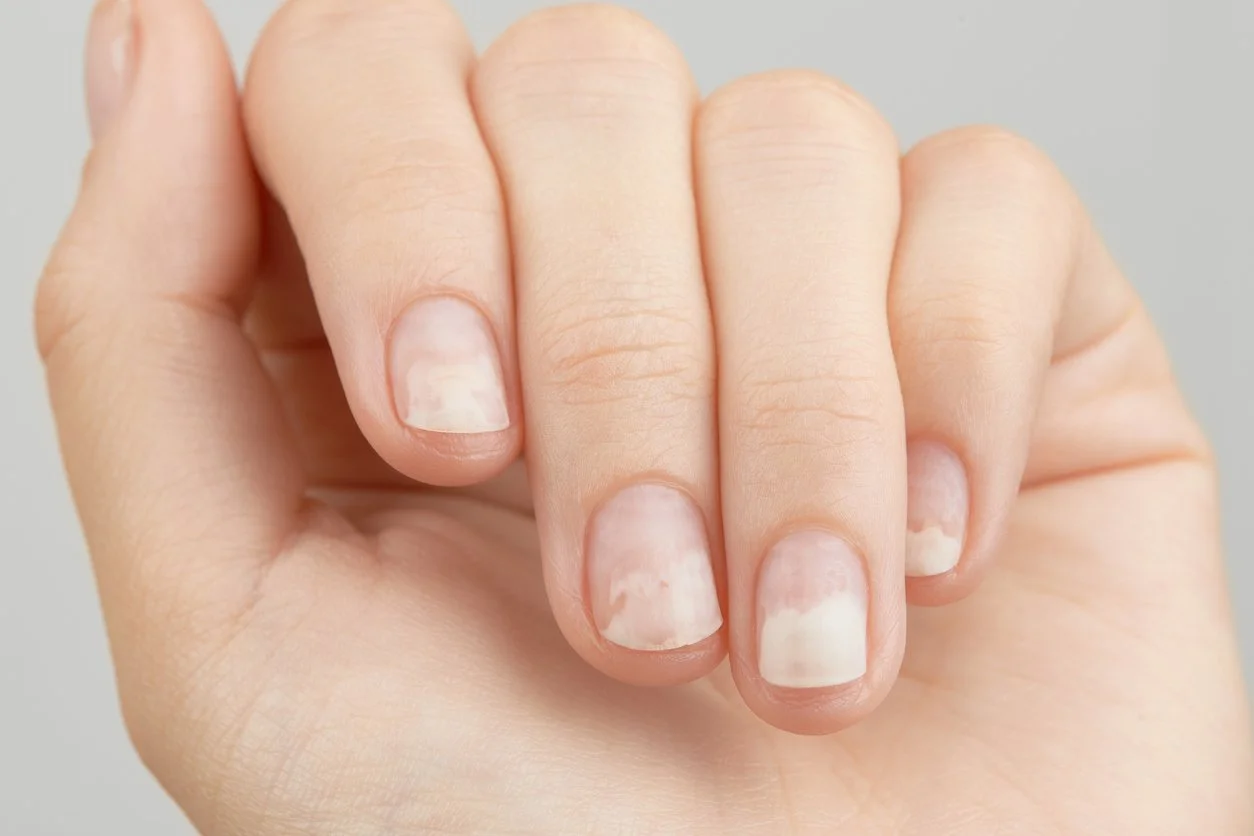
Nail changes can reveal valuable information about your overall health and sometimes underlying medical conditions. They can even provide clues as to recent stressors over the past 6-12 months. Dermatologists commonly see patients with concerns about nail changes, discomfort, or irritation around their nails.
Here are some of the most common nail concerns we hear about, along with what you should know to keep your nails healthy.
Brittle, Peeling, or Splitting Nails
Brittle nails are a common problem, especially for women. Nails that split, peel, or break easily can be frustrating. Several factors can contribute to brittle nails, including:
Frequent hand washing or water exposure
Harsh nail products such as acetone-based polish removers
Repeated manicures or gel treatments
Aging or natural nail dryness
Nutritional deficiencies
To strengthen your nails, use moisturizing hand creams, avoid harsh chemicals, and visit the nail salon only sparingly.
Why Your Cuticles Shouldn’t Be Cut
Many manicures involve cutting or forcefully pushing back the cuticles, but the cuticle actually has an important job.
The cuticle is a natural barrier that seals the space between your nail plate and the underlying tissue as well as the skin around it. This helps keep out bacteria, yeast, and fungi. If the cuticle is cut or damaged, developing inflammation and nail infections are much more likely. This can cause:
Swelling, redness and pain around the nail folds (paronychia)
Bacteria, yeast or fungal infections
Moisturizing the hands and gently trimming the cuticles at home is one thing, but perpetual trimming and manipulation of the cuticles in the nail salon is much more risky.
Nail Salon Infections
Manicures and pedicures are relaxing, but infections can occur if the tools or equipment aren’t properly cleaned.
Common nail salon-related infections are generally caused by yeast, bacteria or fungi.
Signs of infection include pain, swelling, redness, drainage, or thick or discolored nails. To lower your risk, choose salons with good hygiene practices and avoid having your cuticles aggressively trimmed.
The Effects of Frequent Gel and Acrylic Nails
Gel and acrylic nails are popular and last a long time, but frequent application can be harsh on your nails leading to thinning of the nail plate and other unwanted changes. Potential concerns include:
Nail thinning and weakening
Nail lifting or separation from the nail bed
Increased risk of infection beneath artificial nails
Allergic reactions to nail products
Letting your natural nails rest between treatments can help keep them strong.
UV Nail Lamps and Skin Cancer Risk
Most gel manicures use UV or LED lamps to cure the polish. One session doesn’t expose you to much UV light, but repeated sessions over time will accumulate and risk skin cancer as well as unwanted aging and skin changes like brown spots. To reduce risk:
Apply broad-spectrum sunscreen to the hands before a gel or powder manicure
Consider UV-protective manicure gloves that leave the fingertips exposed
Limit the frequency of UV-cured manicures
Hand Dermatitis from Nail Products
Some nail products can cause hand dermatitis, leading to redness, itching, dryness, and cracked skin around your fingers and nails. This is especially common in the dry winter months. This can be caused by:
Nail polish ingredients
Acrylic adhesives
Gel manicure chemicals
Fragrances or preservatives
If irritation around the nails or fingertips continues after manicures, a dermatologist can advise and treat and evaluate for possible contact allergies.
Warts Around the Nails
Warts that form around or under the nails, known as periungual warts, are caused by the human papillomavirus (HPV). They usually look like rough, raised bumps and can spread through small cuts or breaks in the skin.
Nail biting, picking at cuticles, a lowered immune system, or salon manicures/pedicures can increase the risk of developing these warts.
Since warts around the nails can affect nail growth and be harder to treat or more resistant to standard treatments than other warts, it’s best to have any nail changes checked as soon as possible.
Skin Cancer
Although much less common, dermatologists are equipped to evaluate for nail changes that may be cancerous in nature. It is important to know that this can occur in people of all skin types and colors. Changes can include thickened areas or “bumps” surrounding the nail plate or longitudinal streaks within the nail plate. Very often people will notice dark discoloration under the nail correlating with trauma (from shoes, physical activity etc.) and blood, so reassurance is easy in these cases, but it is always important to get any nail change evaluated by a professional.
When to See a Dermatologist
Don’t ignore changes in your nail color, shape, or texture. A dermatologist is a specialist in hair, skin and nails, and they can determine whether the problem is cosmetic, an infection, or indicative of an underlying health condition or environmental trigger. You should schedule an evaluation if you notice:
Persistent nail discoloration
Thickened or distorted nails
Pain or swelling around the nail
Dark streaks in the nail
Growths around or under the nail
Healthy nails are a key part of good skin health. By taking care of your nails and the skin around them, you can avoid many common problems.
Have questions about your nails? Call our office today at 401-415-8586 to schedule a consultation.