
Meet Dr. Hope Elia Barone: 10 Questions with Our New Fellowship-Trained Mohs Surgeon
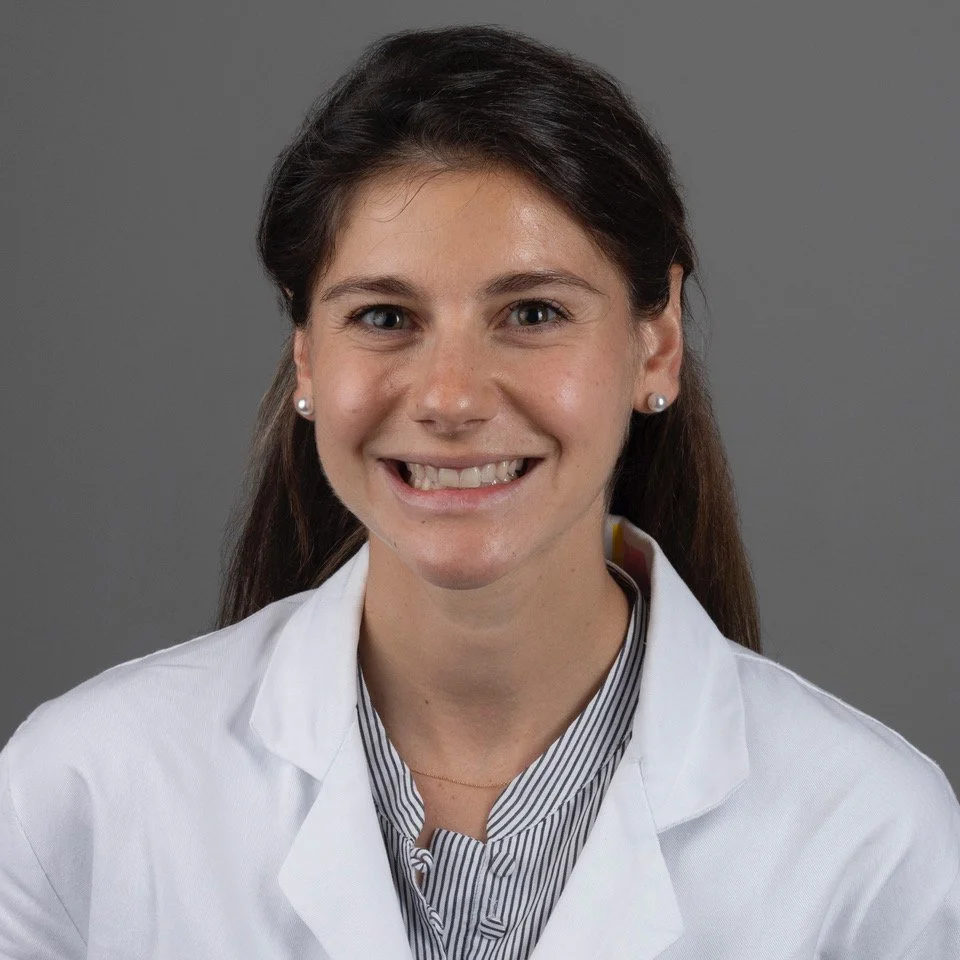
We’re happy to welcome Hope Elia Barone, DO, MPH, FAAD, to Findley Dermatology. Dr. Barone is board-certified in dermatology and fellowship-trained in Mohs surgery. Her specialties include skin cancer treatment, Mohs micrographic surgery, reconstructive surgery, and general medical dermatology.
Before joining Findley Dermatology, Dr. Barone served as Director of High-Risk Skin Cancer at Beth Israel Deaconess Medical Center and as a Clinical Instructor at Harvard Medical School. We spoke with Dr. Barone about her background, her approach to patient care, and what patients should know about skin cancer and Mohs surgery.
1. What inspired you to pursue dermatology and, specifically, skin cancer treatment and Mohs surgery?
I chose dermatology because it brings together many parts of medicine that I enjoy. It lets me build lasting relationships with patients and use my diagnostic, medical, and surgical skills to make a real difference in their health.
Mohs surgery felt like the right path for me because it combines precision, pathology, surgery, and reconstruction. I especially appreciate guiding patients through the entire process, from removing the skin cancer to reconstruction, and helping them feel confident as they recover.
2. You previously served as Director of High-Risk Skin Cancer at Beth Israel Deaconess Medical Center. How has that experience shaped the way you care for patients today?
Caring for patients with complex or high-risk skin cancers showed me how important it is to consider the whole person, not just the specific spot. Every skin cancer and every patient is unique.
That experience taught me how important it is to plan treatments carefully, work closely with other providers, and follow up with patients, especially those at higher risk for more skin cancers. I use this approach with every patient, whether they have a complex skin cancer or a routine skin issue.
3. For someone who has never heard of it, what exactly is Mohs surgery?
Mohs surgery is a special technique for treating certain skin cancers. We remove the cancer one layer at a time and check each layer under a microscope while the patient is still in the office. If any cancer cells remain, we can see exactly where they are and remove more tissue only from that spot.
This method gives us a very high cure rate and helps save as much healthy tissue as possible. That’s especially important when treating skin cancers on the face, ears, scalp, hands, or other sensitive areas.
4. Why is it important to choose a fellowship-trained Mohs surgeon?
Mohs surgery is unique because the doctor acts as both the surgeon and the one who examines the tissue under the microscope. Fellowship training gives extra, focused experience after dermatology residency, especially in Mohs surgery, skin cancer, pathology, and reconstruction.
It also gives doctors extensive experience handling complex cases and repairing areas after cancer removal. For patients, this training means their doctor has spent extra time learning how to diagnose, treat, and reconstruct skin cancer.
5. Patients are often worried about scarring when they learn they need skin cancer surgery. How do you approach reconstruction following Mohs surgery?
That’s one of the questions I hear most often, especially when the skin cancer is on the face or another visible spot. My top priority is always to remove the cancer completely. Once the area is clear, I look closely at the site and decide on the best way to reconstruct it.
No single solution works for everyone. Depending on where the cancer was, how big it is, and how deep it goes, reconstruction might mean letting the area heal on its own, closing it with stitches, or using a skin flap or graft. My goal is always to restore both function and appearance and get the best result for each patient.
6. What do you wish more people understood about skin cancer?
I wish more people knew how common skin cancer is and how important it is to catch it early. Skin cancers can look very different from each other, and they aren’t always painful, dramatic, or easy to spot.
If you have a spot that doesn’t heal, keeps bleeding, changes over time, or just looks different from the rest of your skin, it’s worth getting it checked. Regular skin exams and knowing what’s normal for your skin can make a big difference in finding problems early.
7. What can people do to reduce their risk of skin cancer?
Protecting yourself from the sun is one of the best ways to lower your risk. This means using broad-spectrum sunscreen, staying in the shade when you can, wearing sun-protective clothing, hats, and sunglasses, and avoiding tanning beds.
I also encourage everyone to get to know their own skin. Watch for new or changing spots and schedule regular skin checks based on your personal risk. Sun protection and early detection work best together.
8. What is your approach when caring for a patient who has just been diagnosed with skin cancer?
Hearing the word “cancer” can cause a lot of worry, even when it’s a skin cancer that is very treatable. One of the most important things I can do is help patients understand their diagnosis, their treatment options, and what to expect.
I want patients to feel comfortable asking questions and to know that we have a plan in place. My goal is to provide the best medical and surgical care, along with compassion and clear communication every step of the way.
9. What brought you to Findley Dermatology, and what are you most looking forward to?
I chose Findley Dermatology because it is committed to high-quality, personalized care. I’m excited to bring my experience in Mohs surgery, reconstruction, and high-risk skin cancer care to patients in Rhode Island and southeastern Massachusetts.
I’m also happy to practice in the same community where my family and I live. Caring for patients close to home and becoming more connected to the community means a lot to me.
10. What do you enjoy doing when you’re not caring for patients?
My family and I love spending time outdoors. We live in Barrington with our two children and our Aussie mix, Fiona. I enjoy fishing, boating, hiking, cycling, and traveling whenever we can.
Rhode Island is a great place for anyone who loves being near the water and outdoors, so we try to enjoy it as much as we can.
Schedule an Appointment with Dr. Barone
Dr. Barone is now seeing patients for skin cancer screenings, diagnosis and treatment of melanoma and non-melanoma skin cancers, Mohs surgery, and reconstructive surgery.
Call us today at (401) 415-8586 to make an appointment and experience expert, caring, and personalized dermatologic care.