
7 Skin Changes You Should Never Ignore (Even If They Don't Hurt)
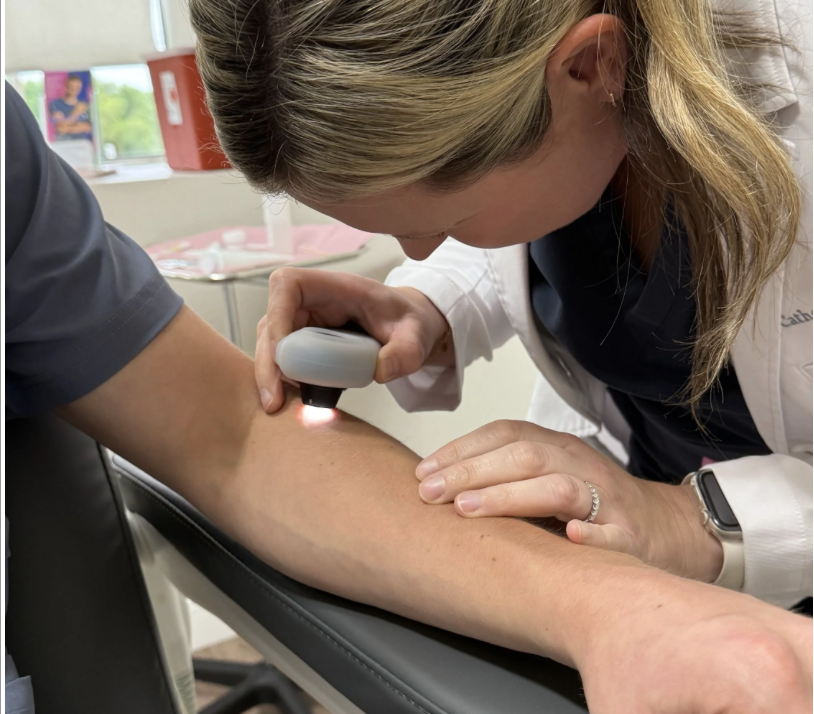
Your skin is constantly changing throughout your life. New freckles appear, dry patches come and go, and the occasional blemish is perfectly normal. But not every skin change should be brushed aside, especially if it persists, evolves or becomes symptomatic.
One of the most common questions we hear is, "When should I see a dermatologist?"While many skin concerns are harmless, it is unfortunately too often that pre-cancerous and even cancerous skin lesions will masquerade as a benign lesion until evaluated. Early detection is the name of the game in terms of prognosis, so it’s critical to get anything checked that persists for more than a few weeks.
Here are seven skin changes to watch for, along with when it's time to schedule a dermatology evaluation.
A New or Changing Mole: A new or changing mole is one of the most important skin changes to watch for. Even if a mole has been present for years suddenly becomes itchy, don't wait for your next skin exam; schedule an appointment. While many moles are completely benign, changes in size, shape, color, or texture can sometimes signal skin cancer, including melanoma.
Watch for moles that:
Become larger over time
Develop uneven or irregular borders
Contain multiple colors
Become raised after being flat
Begin itching, crusting, or bleeding
A good rule of thumb is the ABCDEs of melanoma:
Asymmetry
Border irregularity
Color variation
Diameter larger than about 6 mm (although melanomas can be smaller)
Evolving or changing over time
A Sore That Won't Heal: Most cuts, scrapes, and insect bites heal within a few weeks. If you have a sore that lingers, repeatedly scabs over, or never fully heals, it's worth having it examined. A non-healing sore can sometimes be an early sign of basal cell carcinoma or squamous cell carcinoma, the two most common types of skin cancer.
A Rash That Lasts More Than Two Weeks: Many rashes are caused by temporary irritation, allergies, or viral illnesses. However, a persistent rash that doesn't improve or continues to spread despite over-the-counter treatments may indicate eczema, psoriasis, a fungal or bacterial infection, or another underlying skin condition. Rather than guessing at the cause, a dermatologist is trained to diagnose and treat these conditions.
A Spot That Bleeds Easily: Have you noticed a spot that bleeds after washing your face, toweling off, or with only minor contact? Skin lesions that bleed easily or repeatedly, forming a scab before bleeding again, should be evaluated. Although they aren't always cancerous, recurrent bleeding indicates the skin isn't healing normally and warrants attention.
A New Growth That's Rapidly Changing: It's common to develop new skin growths as we age, and many are harmless. However, any bump, spot, or skin lesion that grows quickly, changes in appearance, or becomes painful should be evaluated. Whether it's a cyst, wart, other benign growth, or something more concerning, an accurate diagnosis provides peace of mind and ensures appropriate treatment if needed.
Persistent Itching Without an Obvious Rash: Occasional itching is common, but ongoing itching that doesn't improve or occurs without a visible rash can sometimes signal an underlying skin condition. Persistent itching may be linked to eczema, nerve-related conditions, allergic reactions, or other dermatologic concerns. If you've been scratching for weeks without relief, it's time to seek a professional evaluation.
Nail or Scalp Changes That Don't Improve: Your dermatologist doesn't just care for your skin; they also diagnose and treat conditions affecting your hair, scalp, and nails. Consider scheduling an appointment if you notice:
Persistent dandruff that doesn't respond to treatment
Scaly or painful patches on the scalp
Sudden, chronic or worsening hair loss
Thickened, discolored, or separating nails
Dark streaks or spots appearing in a nail
These changes may be caused by infections, inflammatory skin conditions, or, in rare cases, skin cancer.
Don't Wait for Symptoms to Become Serious
Many skin conditions don't cause pain in their early stages. That's why it's important to pay attention to changes in your skin, even if they seem small.
Knowing what skin changes to watch for and scheduling a skin exam annually and when something doesn't seem right can make a significant difference in diagnosis and treatment.
Many skin conditions are easier to treat when caught early. If you've noticed any persistent or changing spots, make an appointment with Findley Dermatology. Our team provides comprehensive medical dermatology care, skin cancer screenings, and personalized treatment for patients of all ages.